Buy bodytherapy.eu ?
We are moving the project
bodytherapy.eu .
Are you interested in purchasing the domain
bodytherapy.eu ?
domain@kv-gmbh.de · 0541-91531010
Buy bodytherapy.eu ?
Is that the cactus, a desert plant?
Yes, the cactus is a desert plant. Cacti are well adapted to survive in arid environments, with their ability to store water in their thick, fleshy stems and their reduced surface area to minimize water loss. They are commonly found in desert regions of North and South America, as well as in other arid regions around the world. Cacti have evolved to thrive in harsh desert conditions, making them a quintessential desert plant. **
How often do I water a desert cactus?
Desert cacti are adapted to survive in arid conditions and do not require frequent watering. It is recommended to water a desert cactus only when the top inch of the soil is completely dry. This typically translates to watering every 2-4 weeks, depending on the specific conditions of your home environment. Overwatering can lead to root rot, so it's important to allow the soil to dry out between waterings. **
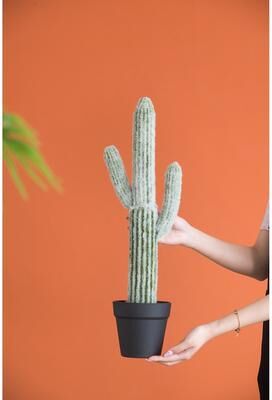

Similar search terms for Desert Cactus
Top-Angebote
Products related to Desert Cactus:
-
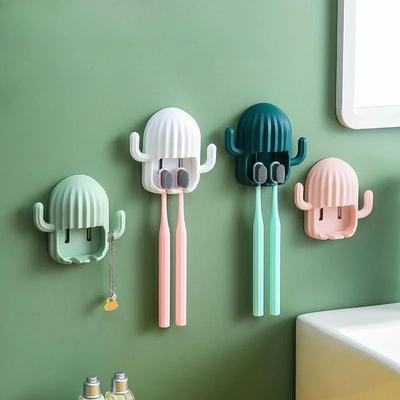
Uplifted Goods Cactus Toothbrush Holder Wall Mounted Self Adhesive whiteOrganize your bathroom with the Cactus Toothbrush Holder Wall Mounted Self Adhesive. This multifunctional stand is designed to hold ordinary or electric toothbrushes and keeps your bathroom counter clear. The cactusshaped hooks add a playful touch...34,97 $*Shipping: 0,00 $Secure redirect to the provider
-
Inspired Finds Wooden Cactus Stacking Montessori Building Block Toy For Kids cactus BlocksBring handson learning to playtime with this charming wooden cactus toy that lets kids build, balance, and create their own quirky cactus shapes. Each colorful piece slots into the base, turning simple stacking into a fun challenge that strengthens...49,99 $*Shipping: 0,00 $Secure redirect to the provider
-
DK Ayurveda: An Ancient System of Holistic Health to Bring Balance and Wellness to Your Life (A Little Book of Self Care)Make Ayurveda an indispensable part of your daily routine with this step-by-step guide to holistic balance and wellness. For a natural approach to self-healing, alternative medicine, and wellness, expert Sonja Shah-Williams has tailored remedies including Ayurveda recipes, skincare, yoga, and mindful meditation techniques. Harness the power of alternative therapies and discover: - What Ayurveda is and the benefits of the practice - Easy to follow, step by step illustrated guide to Ayurvedic practices - Ayurvedic super-foods and recipes - How to easily incorporate holistic practices into daily life - Positive affirmations, mindfulness techniques and exercises Modern science has proved the effectiveness of Ayurveda as a view of the world based on ancient beliefs that everything is connected and that balance is the key to wellbeing. Ayurveda focuses on the prevention of disease by focusing on anti-inflammatory diets, mindful meditation, and massages. This practical guide is an Ayurvedic consultation at your disposal. This little self-care book will take you on a breathtaking journey of holistic healing. It begins by unpacking what Ayurveda is and the benefits of the practice. This reference book includes wellness practices designed to uplift the mind, body, and spirit and healing treatments designed to address, relieve, and help cure a range of common conditions.4,95 £*Shipping: 1,99 £Secure redirect to the provider


-
How do I care for my cactus?
Caring for a cactus involves providing the right amount of light, water, and soil. Here are some general tips for caring for your cactus: 1. Light: Cacti thrive in bright, indirect sunlight. Place your cactus in a location where it can receive at least 6 hours of sunlight per day. 2. Water: Cacti are drought-tolerant plants and do not require frequent watering. Water your cactus only when the top inch of soil is dry. Be sure to use well-draining soil to prevent root rot. 3. Soil: Use a well-draining cactus or succulent mix for planting your cactus. This will help prevent overwatering and root rot. 4. Temperature: Cacti prefer warm temperatures and do well in a range of 65-90°F (18-32°C). Protect your cactus from extreme cold temperatures. 5. Fertilizer: Fertilize your cactus sparingly, using a balanced fertilizer diluted to half strength during the growing season (spring and summer). 6. Repotting: Repot your cactus every 2-3 years to refresh the soil and provide more space for growth. By following these care tips, you can help your cactus thrive and stay healthy for years to come. **
-
Can every cactus have a cactus flower?
Not every cactus can produce a cactus flower. While many cacti do produce beautiful flowers, some species may not flower at all or may only produce flowers under specific conditions. Factors such as the age of the cactus, its health, and the environment it is grown in can all affect its ability to produce flowers. Additionally, some cacti may only flower under certain seasonal or climatic conditions. **
-
How can I properly care for my cactus?
To properly care for your cactus, make sure it receives plenty of sunlight, ideally at least 6 hours of indirect sunlight per day. Water your cactus sparingly, allowing the soil to dry out completely between waterings to prevent root rot. Use a well-draining cactus mix soil and a pot with drainage holes to prevent waterlogging. During the growing season, you can fertilize your cactus with a diluted cactus fertilizer every 4-6 weeks. Lastly, keep your cactus in a warm and dry environment, as they thrive in temperatures between 65-85°F (18-29°C) and low humidity levels. **
-
How do I take care of a cactus?
Taking care of a cactus involves providing the right amount of sunlight, water, and soil. Here are some general tips for caring for a cactus: 1. Sunlight: Most cacti thrive in bright, indirect sunlight. Place your cactus near a window where it can receive plenty of sunlight throughout the day. 2. Watering: Cacti are desert plants and do not require frequent watering. Allow the soil to dry out completely between waterings, and then water the cactus thoroughly. Be sure to use a well-draining soil mix to prevent root rot. 3. Soil: Use a cactus or succulent-specific soil mix that is well-draining and provides good aeration for the roots. Avoid using regular potting soil, as it can retain too much moisture and lead to root rot. 4. Temperature: Cacti prefer warm temperatures and do well in a range of 65-90°F (18-32°C). Avoid exposing your cactus to extreme temperature fluctuations. 5. Fertilizing: Cacti do not require frequent fertilizing. You can feed your cactus with a diluted cactus fertilizer once or twice a year during the growing season (spring and summer). 6. Repotting: Cacti generally do not need to be repotted often, as they prefer to be slightly root-bound. Repot your cactus only when it has outgrown its current container or if the soil has become compacted. By following these care **

Desert or Arctic?
It ultimately depends on personal preference and what one is looking for in a landscape. Deserts are known for their extreme heat, vast sand dunes, and unique plant and animal life adapted to the harsh conditions. On the other hand, the Arctic offers a starkly different environment with freezing temperatures, icy landscapes, and a chance to witness the beauty of the northern lights. Both environments have their own appeal and offer unique experiences for those willing to explore them. **
Why is the Namib Desert the oldest desert on Earth?
The Namib Desert is considered the oldest desert on Earth because it has been arid for at least 55 million years. Its age can be attributed to its location along the southwestern coast of Africa, where the cold Benguela Current creates a stable high-pressure system that prevents moisture from entering the region. Additionally, the desert's unique geological history, including the uplifting of the land and the formation of sand dunes, has contributed to its arid conditions over millions of years. These factors have combined to make the Namib Desert one of the most ancient and inhospitable environments on the planet. **
Top-Angebote
Products related to Desert Cactus:
-
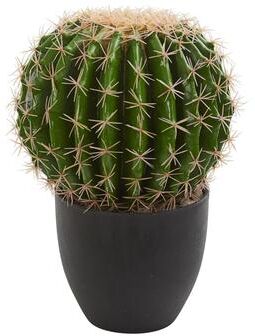
Kodotan sofa Artificial Saguaro Cactus in Black Pot 24.5 Inch Indoor Outdoor Desert Decor - GreenThe Design A fun accent piece, this artificial Saguaro cactus adds a nicely textured, two-toned touch of nature to your home without any upkeep headaches. Beautiful alone or in an earthy ensemble, its lifelike appearance will help it fit right in.79,99 $*Shipping: 0,00 $Secure redirect to the provider
-
JoyToys Talking Cactus Plush Toy Talking Cactus Plush ToyBring a little fun and laughter to your home with this Talking Cactus Plush Toy. This adorable cactus toy is sure to entertain people of all ages with its silly dances and funny songs. Simply press the button on the cactus's hat to start the fun....26,97 $*Shipping: 0,00 $Secure redirect to the provider
-
Uplifted Goods Cactus Toothbrush Holder Wall Mounted Self Adhesive whiteOrganize your bathroom with the Cactus Toothbrush Holder Wall Mounted Self Adhesive. This multifunctional stand is designed to hold ordinary or electric toothbrushes and keeps your bathroom counter clear. The cactusshaped hooks add a playful touch...34,97 $*Shipping: 0,00 $Secure redirect to the provider
-
Inspired Finds Wooden Cactus Stacking Montessori Building Block Toy For Kids cactus BlocksBring handson learning to playtime with this charming wooden cactus toy that lets kids build, balance, and create their own quirky cactus shapes. Each colorful piece slots into the base, turning simple stacking into a fun challenge that strengthens...49,99 $*Shipping: 0,00 $Secure redirect to the provider
-
Is that the cactus, a desert plant?
Yes, the cactus is a desert plant. Cacti are well adapted to survive in arid environments, with their ability to store water in their thick, fleshy stems and their reduced surface area to minimize water loss. They are commonly found in desert regions of North and South America, as well as in other arid regions around the world. Cacti have evolved to thrive in harsh desert conditions, making them a quintessential desert plant. **
-
How often do I water a desert cactus?
Desert cacti are adapted to survive in arid conditions and do not require frequent watering. It is recommended to water a desert cactus only when the top inch of the soil is completely dry. This typically translates to watering every 2-4 weeks, depending on the specific conditions of your home environment. Overwatering can lead to root rot, so it's important to allow the soil to dry out between waterings. **
-
How do I care for my cactus?
Caring for a cactus involves providing the right amount of light, water, and soil. Here are some general tips for caring for your cactus: 1. Light: Cacti thrive in bright, indirect sunlight. Place your cactus in a location where it can receive at least 6 hours of sunlight per day. 2. Water: Cacti are drought-tolerant plants and do not require frequent watering. Water your cactus only when the top inch of soil is dry. Be sure to use well-draining soil to prevent root rot. 3. Soil: Use a well-draining cactus or succulent mix for planting your cactus. This will help prevent overwatering and root rot. 4. Temperature: Cacti prefer warm temperatures and do well in a range of 65-90°F (18-32°C). Protect your cactus from extreme cold temperatures. 5. Fertilizer: Fertilize your cactus sparingly, using a balanced fertilizer diluted to half strength during the growing season (spring and summer). 6. Repotting: Repot your cactus every 2-3 years to refresh the soil and provide more space for growth. By following these care tips, you can help your cactus thrive and stay healthy for years to come. **
-
Can every cactus have a cactus flower?
Not every cactus can produce a cactus flower. While many cacti do produce beautiful flowers, some species may not flower at all or may only produce flowers under specific conditions. Factors such as the age of the cactus, its health, and the environment it is grown in can all affect its ability to produce flowers. Additionally, some cacti may only flower under certain seasonal or climatic conditions. **
Similar search terms for Desert Cactus
-
DK Ayurveda: An Ancient System of Holistic Health to Bring Balance and Wellness to Your Life (A Little Book of Self Care)Make Ayurveda an indispensable part of your daily routine with this step-by-step guide to holistic balance and wellness. For a natural approach to self-healing, alternative medicine, and wellness, expert Sonja Shah-Williams has tailored remedies including Ayurveda recipes, skincare, yoga, and mindful meditation techniques. Harness the power of alternative therapies and discover: - What Ayurveda is and the benefits of the practice - Easy to follow, step by step illustrated guide to Ayurvedic practices - Ayurvedic super-foods and recipes - How to easily incorporate holistic practices into daily life - Positive affirmations, mindfulness techniques and exercises Modern science has proved the effectiveness of Ayurveda as a view of the world based on ancient beliefs that everything is connected and that balance is the key to wellbeing. Ayurveda focuses on the prevention of disease by focusing on anti-inflammatory diets, mindful meditation, and massages. This practical guide is an Ayurvedic consultation at your disposal. This little self-care book will take you on a breathtaking journey of holistic healing. It begins by unpacking what Ayurveda is and the benefits of the practice. This reference book includes wellness practices designed to uplift the mind, body, and spirit and healing treatments designed to address, relieve, and help cure a range of common conditions.4,95 £*Shipping: 1,99 £Secure redirect to the provider
-
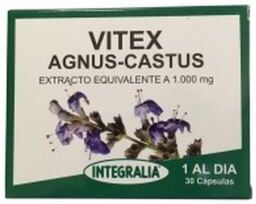
Integralia Agnus Cactus 30 CapsulesNutrition and Supplements Natural Extracts Integralia Agnus Cactus 30 Capsules Dietary supplement that helps regulate the menstrual cycle and relieve menstrual cramps. Package: 30 capsules. Directions for use: Take 1 capsule daily.9,22 £*Shipping: 3,99 £Secure redirect to the provider
-
Uplifted Goods Cactus Toothbrush Holder Wall Mounted Self Adhesive pinkOrganize your bathroom with the Cactus Toothbrush Holder Wall Mounted Self Adhesive. This multifunctional stand is designed to hold ordinary or electric toothbrushes and keeps your bathroom counter clear. The cactusshaped hooks add a playful touch...34,97 $*Shipping: 0,00 $Secure redirect to the provider
-
How can I properly care for my cactus?
To properly care for your cactus, make sure it receives plenty of sunlight, ideally at least 6 hours of indirect sunlight per day. Water your cactus sparingly, allowing the soil to dry out completely between waterings to prevent root rot. Use a well-draining cactus mix soil and a pot with drainage holes to prevent waterlogging. During the growing season, you can fertilize your cactus with a diluted cactus fertilizer every 4-6 weeks. Lastly, keep your cactus in a warm and dry environment, as they thrive in temperatures between 65-85°F (18-29°C) and low humidity levels. **
-
How do I take care of a cactus?
Taking care of a cactus involves providing the right amount of sunlight, water, and soil. Here are some general tips for caring for a cactus: 1. Sunlight: Most cacti thrive in bright, indirect sunlight. Place your cactus near a window where it can receive plenty of sunlight throughout the day. 2. Watering: Cacti are desert plants and do not require frequent watering. Allow the soil to dry out completely between waterings, and then water the cactus thoroughly. Be sure to use a well-draining soil mix to prevent root rot. 3. Soil: Use a cactus or succulent-specific soil mix that is well-draining and provides good aeration for the roots. Avoid using regular potting soil, as it can retain too much moisture and lead to root rot. 4. Temperature: Cacti prefer warm temperatures and do well in a range of 65-90°F (18-32°C). Avoid exposing your cactus to extreme temperature fluctuations. 5. Fertilizing: Cacti do not require frequent fertilizing. You can feed your cactus with a diluted cactus fertilizer once or twice a year during the growing season (spring and summer). 6. Repotting: Cacti generally do not need to be repotted often, as they prefer to be slightly root-bound. Repot your cactus only when it has outgrown its current container or if the soil has become compacted. By following these care **
-
Desert or Arctic?
It ultimately depends on personal preference and what one is looking for in a landscape. Deserts are known for their extreme heat, vast sand dunes, and unique plant and animal life adapted to the harsh conditions. On the other hand, the Arctic offers a starkly different environment with freezing temperatures, icy landscapes, and a chance to witness the beauty of the northern lights. Both environments have their own appeal and offer unique experiences for those willing to explore them. **
-
Why is the Namib Desert the oldest desert on Earth?
The Namib Desert is considered the oldest desert on Earth because it has been arid for at least 55 million years. Its age can be attributed to its location along the southwestern coast of Africa, where the cold Benguela Current creates a stable high-pressure system that prevents moisture from entering the region. Additionally, the desert's unique geological history, including the uplifting of the land and the formation of sand dunes, has contributed to its arid conditions over millions of years. These factors have combined to make the Namib Desert one of the most ancient and inhospitable environments on the planet. **
* All prices are inclusive of VAT and, if applicable, plus shipping costs. The offer information is based on the details provided by the respective shop and is updated through automated processes. Real-time updates do not occur, so deviations can occur in individual cases. ** Note: Parts of this content were created by AI.